
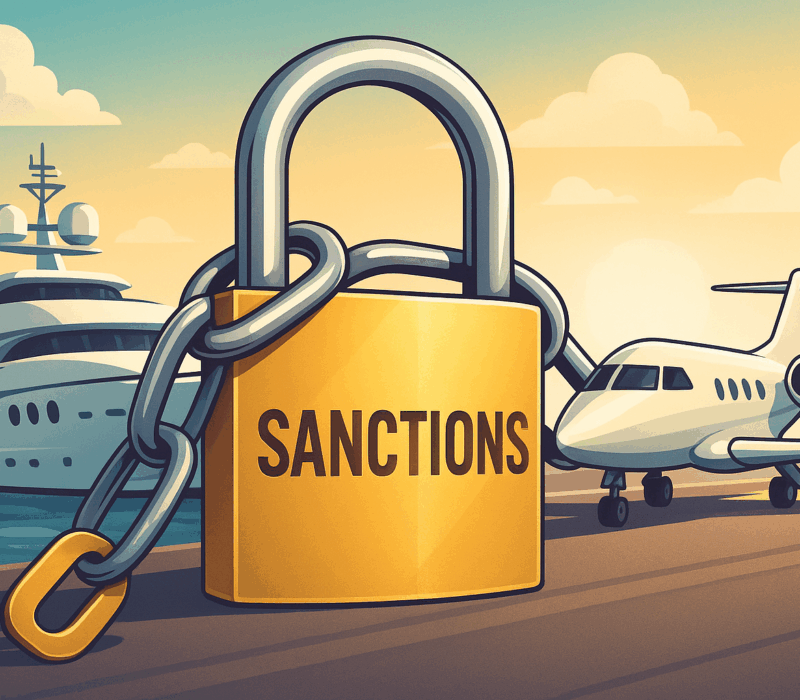
Comprehensive Legal Support in Sanctions Matters: Ensuring Compliance and Protecting Businesses
In an increasingly interconnected global economy, legal support in sanctions matters has become paramount for organizations aiming to mitigate risks associated with international trade. Sanctions can arise from geopolitical tensions, regulatory responses, or voluntary compliance measures. This article delves into the intricacies of sanctions, the critical need for legal support, and the best practices businesses should adopt to navigate this complex landscape effectively.
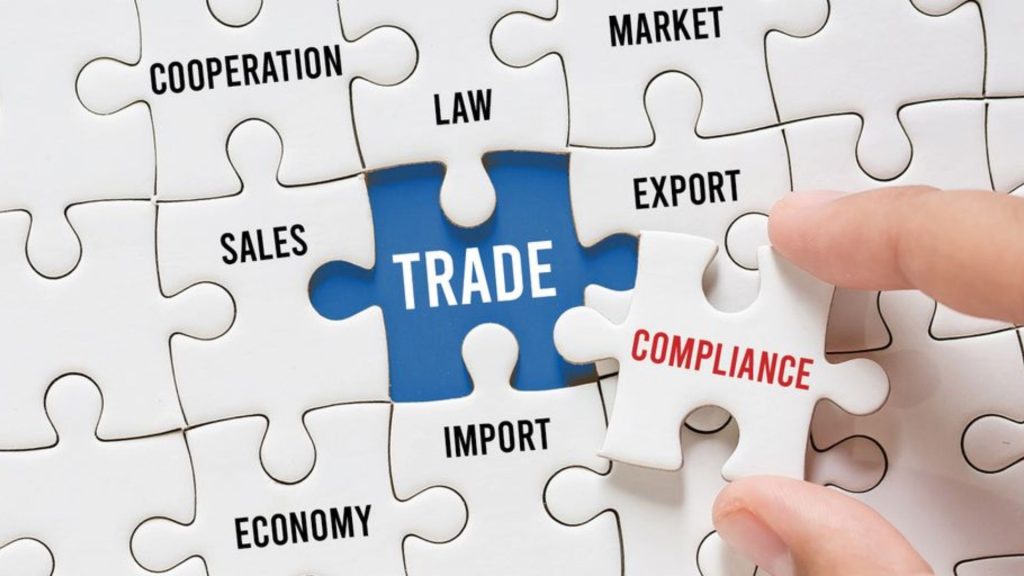
Understanding Sanctions: A Background
Sanctions are restrictive measures imposed by countries or international bodies to influence behavior, often for political purposes. They may take many forms, including asset freezes, trade embargoes, or restrictions on financial transactions. With the rise of economic globalization, the scope and impact of sanctions have grown significantly, affecting businesses of all sizes and sectors.
The Increasing Complexity of Sanctions
Sanctions can vary widely in terms of their scope, geographic application, and enforcement mechanisms. Businesses must be vigilant, as failure to comply with sanctions can lead to significant legal repercussions, including hefty fines, reputational damage, and limitations on market access. In some cases, organizations may face criminal liability for knowingly engaging in conduct that violates sanctions.
Types of Sanctions
Generally, sanctions can be categorized as follows:
- Comprehensive Sanctions: These impose broad prohibitions on trade and economic activity with a sanctioned country.
- Targeted Sanctions: Often aimed at specific individuals, entities, or sectors within a country rather than the entire nation.
- Sectoral Sanctions: These limit specific sectors of an economy, such as energy, finance, or military.
The Role of Legal Support
Legal experts specializing in sanctions matters play a crucial role in helping businesses navigate this complex regulatory environment. Their expertise ensures that organizations stay compliant, minimize risks, and protect their interests. Here are some essential functions that legal support can provide:
1. Risk Assessment
Legal professionals can assess the potential risks associated with sanctions by conducting in-depth analyses of the business’s operations, clients, suppliers, and partners. Understanding the risk profile enables businesses to make informed decisions about their dealings in various jurisdictions.
2. Compliance Framework Development
Creating a robust compliance framework is essential for mitigating risks associated with sanctions. Legal support helps develop and implement policies, practices, and training programs to ensure that employees understand their obligations and the repercussions of non-compliance.
3. Transaction Review and Approval
Before entering into any new contract or transaction, it is vital to perform thorough due diligence. Legal experts can assist in reviewing contracts and ensuring that they do not inadvertently violate sanctions by engaging with prohibited parties or activities.
4. Ongoing Monitoring and Auditing
Sanctions regulations may change rapidly, and businesses need to stay informed about new developments. Regular audits and monitoring of business operations, transactions, and counterparties are essential to ensure continued compliance with evolving sanctions requirements.
5. Advocacy and Representation
Should a business find itself in violation of sanctions, having legal support can make a significant difference. Legal experts can represent the organization in discussions with regulatory authorities and potentially minimize penalties. This advocacy is crucial to preserving a company’s reputation and future business prospects.
Best Practices for Businesses
Implementing best practices is vital for organizations striving to maintain compliance with sanctions. Here are several strategies businesses can adopt:
1. Conduct Regular Training
Employees should receive continuous training on the importance of sanctions compliance and the potential repercussions of violations. Tailored workshops and seminars can foster a culture of compliance within the organization.
2. Utilize Technology for Monitoring
Investing in technology solutions can facilitate efficient monitoring of sanctions lists and real-time risk assessment. Automated tools can help identify potential red flags and ensure prompt action when necessary.
3. Engage with Experts
Businesses should work closely with legal experts specializing in sanctions. Their insight and guidance will be invaluable in navigating the complex waters of international trade.
4. Create a Whistleblower Policy
Encouraging employees to report any concerns regarding potential sanctions violations creates an additional layer of protection for the organization. A whistleblower policy should ensure anonymity and protection against retaliation.
Conclusion
In today’s dynamic international landscape, legal support in sanctions matters is not just a luxury but a necessity for businesses aiming to thrive. By understanding sanctions intricacies, leveraging expert guidance, and implementing effective compliance strategies, organizations can navigate this complex environment confidently. Emphasizing a proactive approach will safeguard not only corporate interests but also contribute to the broader objective of responsible global trade. Whether through risk assessment, compliance framework development, or ongoing monitoring, legal support is an essential partner in mitigating the risks associated with international sanctions.